





Development
Web App vs Mobile App: Which Is Right for Your Business?
Both web and mobile applications can drive growth, but the right choice depends on your users, budget, and long-term product strategy.
When planning a new digital product, one of the first decisions businesses face is whether to build a web application, a native mobile app, or a combination of both. Each approach has distinct advantages, and the best choice depends on how your users interact with your service.
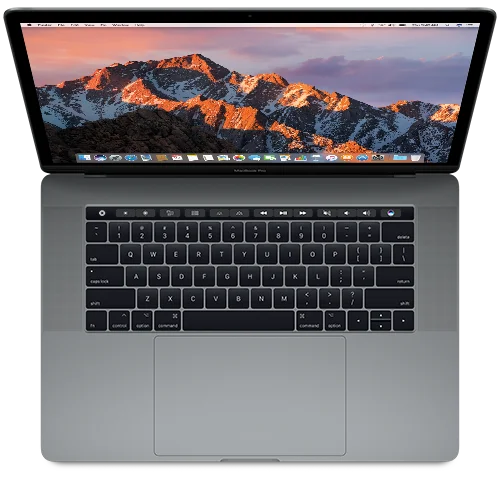
Web applications run in a browser and require no installation. They are ideal when you need broad accessibility across devices, faster initial deployment, and simpler update cycles. For B2B tools, internal dashboards, and services where users primarily work from desktops or laptops, a responsive web app often delivers the best return on investment.
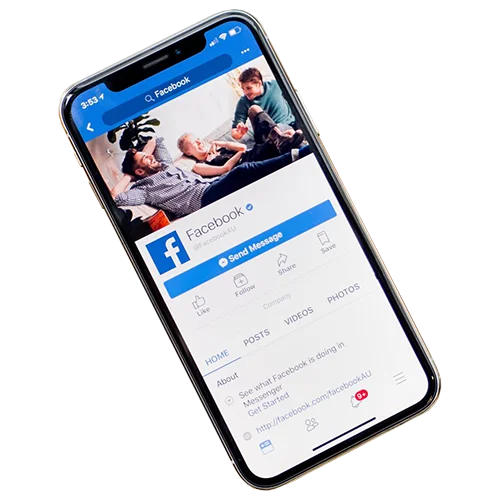
Mobile applications excel when your product depends on device features such as push notifications, offline access, camera integration, or GPS. Consumer-facing services — delivery tracking, field workforce tools, and on-the-go booking platforms — frequently benefit from a dedicated mobile experience.
Cross-platform frameworks like React Native allow a single codebase to target both iOS and Android, reducing development cost compared to building two native apps. Progressive Web Apps (PWAs) offer a middle ground: installable, app-like experiences delivered through the web.
Budget and timeline also influence the decision. A well-built web application can launch faster and reach all users immediately. Adding a mobile app later, once you validate product-market fit, is a common and sensible strategy.
Consider your maintenance plan as well. Web apps can be updated centrally without app store approval delays. Mobile apps require platform-specific testing and store submissions for each release.
Healisys Solutions helps businesses across India evaluate these trade-offs during project discovery. We recommend an approach based on user behaviour, technical requirements, and growth plans — not trends. Contact us to discuss which platform strategy fits your next initiative.